
Teaching Peaceful Protest Through Picture Books
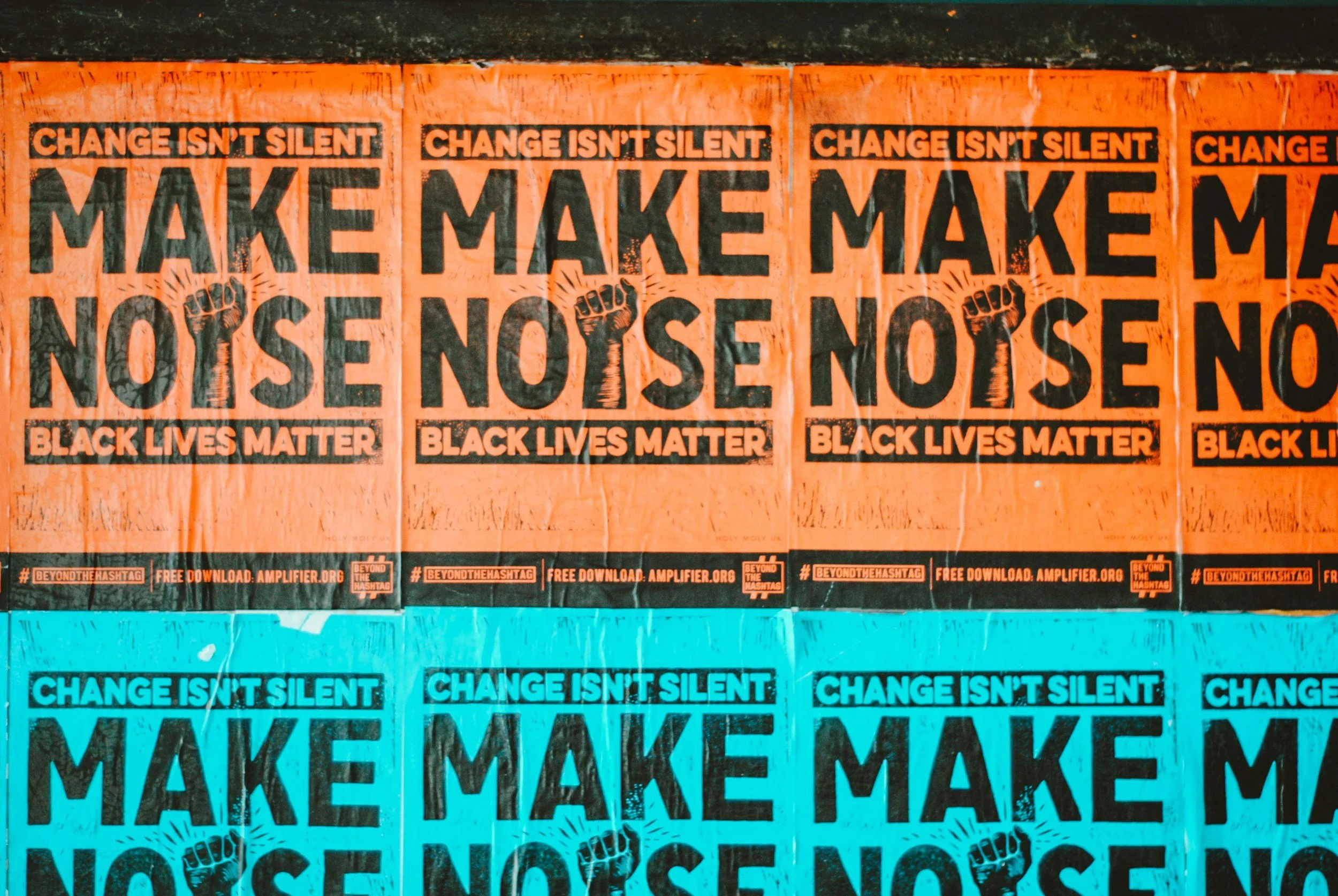
Teaching students about peaceful protest is important because it helps them understand that their voices matter and that change can happen without harm. It builds critical thinking, empathy, and a sense of justice by showing young people how to stand up for themselves and others in respectful, constructive ways, and it empowers them to see themselves as active, responsible citizens who can positively impact their communities. Picture books offer a developmentally appropriate and engaging way to introduce these ideas, using powerful stories and illustrations to show how ordinary people use nonviolent action to create meaningful change.
One example of a picture book that teaches peaceful protest is Viva’s Voice by Raquel Donoso, where Viva finds the courage to speak up when her father’s bus drivers’ union goes on strike. Reading this book with students can spark a conversation about solidarity and how support from family and community strengthens people who are taking risks. A teaching strategy here is to have students create a "support chain" diagram, showing who gives and receives encouragement during the story. This helps students see that protest is rarely an individual act; it is a collective effort.
Similarly, Brave Girl: Clara and the Shirtwaist Makers’ Strike of 1909 by Michelle Markel shows the courage of a young immigrant leading thousands of women in a strike. This story is a great springboard for role-playing activities. Students can work in groups to recreate a meeting where Clara convinces others to join the strike, practicing persuasive language and active listening. Afterward, they can reflect on what it feels like to speak up and be heard.
One of my favorite books for teaching students about protest is Duncan Tonatiuh’s Separate Is Never Equal: Sylvia Mendez and Her Family’s Fight for Desegregation, which introduces students to the power of peaceful protest through the true story of a family who challenged school segregation through the courts. Teachers can invite students to create a “justice timeline,” mapping the problem, the actions the family took, and the outcomes of their advocacy. This strategy helps students break down the steps of nonviolent change, deepens their understanding of cause and effect, and shows how ordinary families can use their voices to create lasting impact.
For younger readers, Doreen Cronin’s Click, Clack, Moo: Cows That Type uses humor to show why workers go on strike. Students can use a concept sort strategy by listing the cows’ demands, Farmer Brown’s responses, and the compromise they reach. This exercise helps children understand negotiation and compromise as key components of peaceful resolution.
Alice Faye Duncan’s Memphis, Martin, and the Mountaintop brings history to life by recounting the 1968 sanitation workers’ strike through the eyes of a child. Teachers can pair this book with primary source photos from the strike and ask students to compare the emotions shown in the text with those they see in historical images. This strategy deepens comprehension and helps students connect literature to real events and people.
Across all these books, discussion is key. Invite students to ask: What was unfair in this story? What actions did people take to make a change? How did they stay peaceful? Encourage them to make connections to their lives, school rules, playground conflicts, or community issues, where they could use their voices respectfully to advocate for change.
Other Picture Books That Teach Young Changemakers
• Sometimes People March – Tessa Allen
• Sofia Valdez, Future Prez – Andrea Beaty
• The Smallest Girl in the Smallest Grade – Justin Roberts
• The Youngest Marcher: The Story of Audrey Faye Hendricks – Cynthia Levinson
• Enough! 20 Protesters Who Changed America – Emily Easton
• Seeds of Freedom – Hester Bass
• ¡Sí, Se Puede! Yes, We Can! – Diana Cohn
• Sit-In: How Four Friends Stood Up by Sitting Down – Andrea Davis Pinkney
• We Are Water Protectors – Carole Lindstrom
• Resist: Peaceful Acts That Changed Our World – Diane Stanley
Picture books about protest are not just history lessons. They are invitations for students to imagine themselves as problem-solvers and change-makers. When paired with interactive strategies such as diagramming support networks, role-playing meetings, sorting key events, or analyzing primary sources, these books help students see that peaceful protest is about more than marching. It’s about courage, collaboration, and commitment to justice.